
Bone Grafting Lacey, WA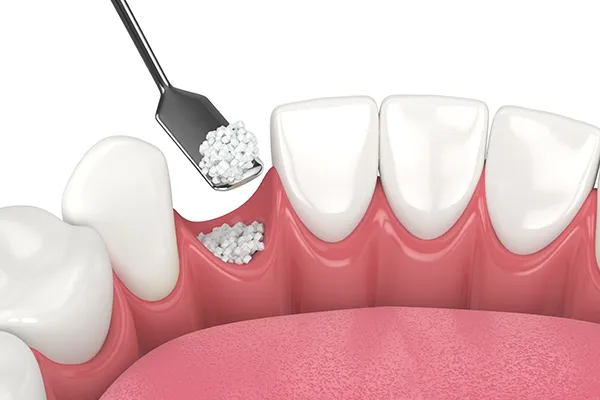 Bone tissue plays a vital role in supporting healthy teeth and maintaining the natural contours of the smile. When bone is lost due to tooth loss, gum disease, injury, or infection, it can affect both oral health and the appearance of the face and jaw. Bone grafting is a procedure that helps rebuild areas where bone has weakened or deteriorated, creating a stronger foundation for future dental treatment and long-term oral stability. Bone tissue plays a vital role in supporting healthy teeth and maintaining the natural contours of the smile. When bone is lost due to tooth loss, gum disease, injury, or infection, it can affect both oral health and the appearance of the face and jaw. Bone grafting is a procedure that helps rebuild areas where bone has weakened or deteriorated, creating a stronger foundation for future dental treatment and long-term oral stability.What Is Bone Grafting?Bone grafting is a procedure used to restore or rebuild bone in areas of the jaw where it has been lost or damaged. During treatment, the dentist places grafting material in the area where additional bone support is needed. This material may come from natural bone sources or specially designed biocompatible materials that encourage the body to generate new bone. Over time, the graft integrates with the surrounding bone and stimulates the body's natural healing response. As the area heals, new bone develops and strengthens the jaw. This process allows the jawbone to regain the density and structure needed to support teeth and other restorative treatments. Bone grafting can be used in several areas of the mouth, depending on where bone support is needed. Some grafts rebuild bone in the jaw where teeth have been lost, while others strengthen areas affected by periodontal disease or trauma. Why Bone Loss Can OccurJawbone loss can develop for several reasons. One of the most common causes is tooth loss. When a tooth is no longer present, the bone that once supported it no longer receives stimulation from chewing forces. Over time, the body begins to resorb the bone in that area. Other possible causes of bone loss include:
When bone loss progresses, it can affect the alignment of nearby teeth, change the shape of the jaw, and make certain dental treatments more challenging. Bone grafting helps restore this lost support. How Bone Grafting Supports Restorative DentistryRestorative dentistry focuses on repairing and replacing teeth so patients can chew comfortably and maintain proper oral function. In many cases, these treatments rely on strong jawbone support. Bone grafting can rebuild areas where the jaw has weakened, allowing the mouth to support restorations such as crowns, bridges, or other restorative solutions. Strengthening the jawbone also helps stabilize neighboring teeth and maintain proper bite alignment. In some situations, bone grafting is performed after tooth extraction to preserve the shape and strength of the jaw. This process, sometimes called ridge preservation, helps maintain bone structure and prevents collapse of the surrounding tissues. Bone Grafting And Dental Implant TreatmentFor patients considering dental implants, healthy bone density is essential. Dental implants rely on the jawbone for stability, allowing them to function similarly to natural tooth roots. If the jawbone has thinned or weakened, a bone graft may be recommended before implant placement. By rebuilding bone in the area, the graft creates the support needed for implants to integrate successfully with the jaw. Many patients who were once told they did not have enough bone for dental implants may become candidates after bone grafting. Rebuilding the jawbone makes it possible to restore missing teeth with long-lasting solutions that support both function and appearance. How Bone Grafting Enhances Cosmetic DentistryBone structure also plays an important role in the overall appearance of a smile. When bone loss occurs, it can affect the contours of the gums and jaw, sometimes creating a sunken or uneven appearance. Bone grafting helps restore the underlying structure that supports the teeth and gums. By strengthening the jawbone, cosmetic treatments such as veneers, crowns, and smile restorations can achieve more balanced and natural-looking results. Improving the bone foundation of the mouth also helps maintain facial harmony by supporting the lips and cheeks. What To Expect During HealingAfter a bone graft procedure, the body begins a natural healing process in which new bone forms around the grafting material. This process gradually strengthens the jaw and prepares the area for future treatment if needed. Healing time can vary depending on the size and location of the graft. Smaller grafts may heal relatively quickly, while larger areas may require additional time for the bone to fully integrate. During healing, patients are typically given instructions to help protect the area and support proper recovery. Following these guidelines allows the graft to stabilize and develop the strong bone structure needed for long-term oral health. Rebuild The Foundation Of Your SmileHealthy bone structure supports every aspect of oral health, from tooth stability to overall facial balance. Bone grafting allows the dentist to rebuild this essential foundation, creating new opportunities for restorative and cosmetic care. If you have experienced bone loss or have been told that additional bone support may be beneficial, a consultation with our Lacey dentist can help determine the most appropriate treatment plan. Our team at Karl Hoffman Dentistry provides comprehensive care designed to restore both function and confidence in your smile. Contact us today at (360) 539-3429. |
 |